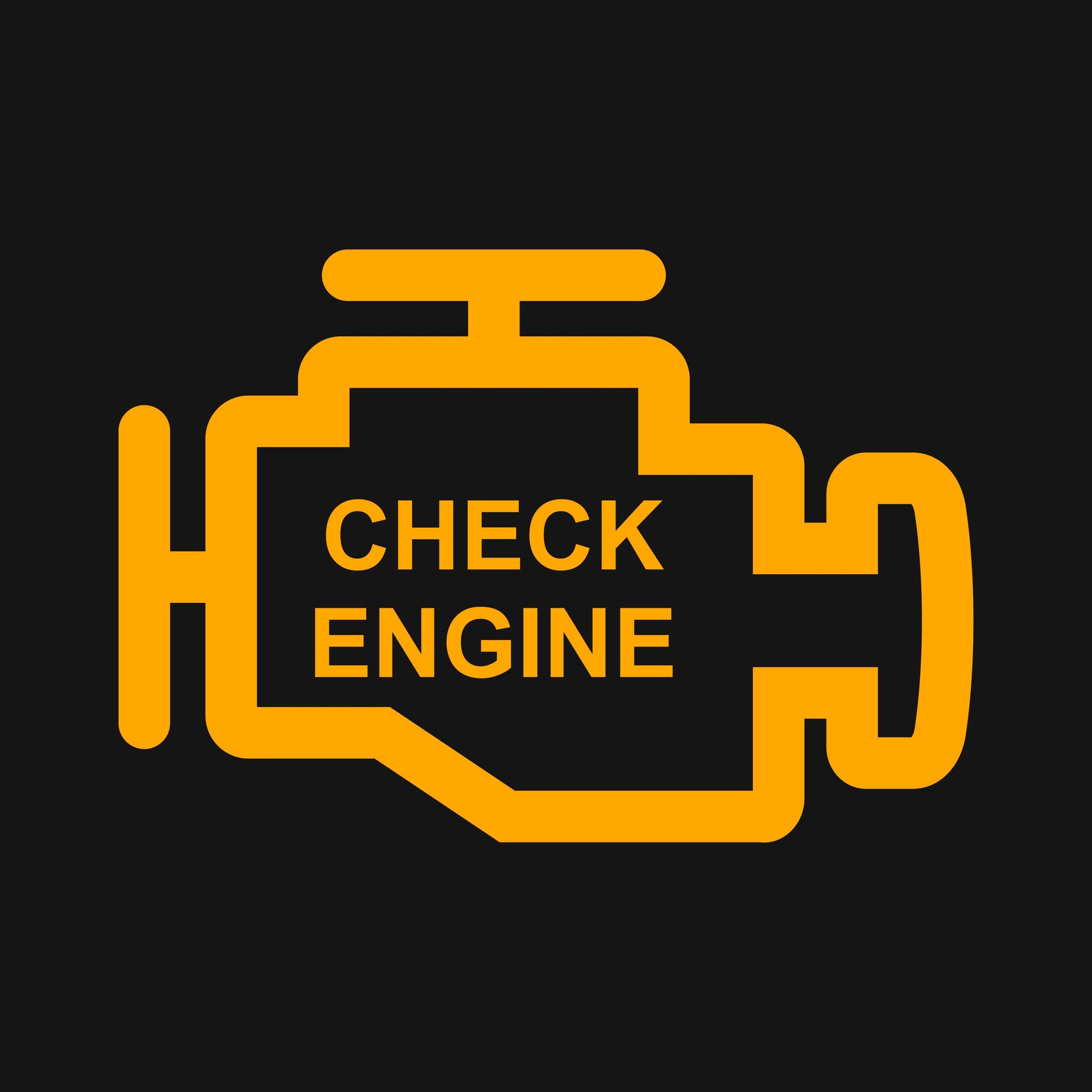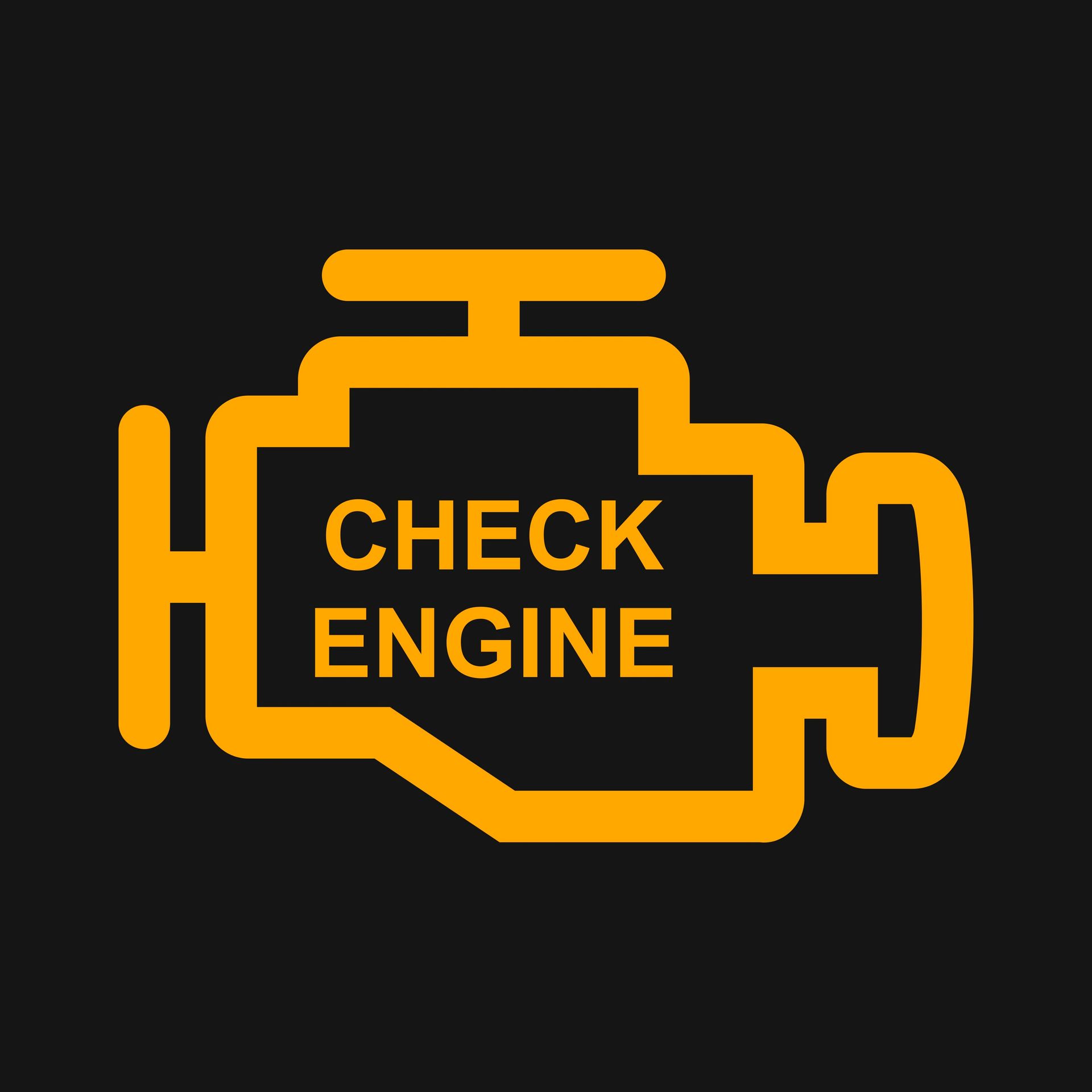

A glowing check engine light feels a little like your car is speaking a language you do not quite understand. You plug in a code reader, see a cryptic “P0-something,” and suddenly you are guessing whether it is safe to drive or if the engine is about to give up.
Once you know what the most common codes usually point to, it is much easier to stay calm and make smart choices.
What Does A Check Engine Light Really Mean?
The check engine light comes on when the computer sees something outside of its expected range. A sensor reading is off, a system is not responding correctly, or a problem has gone on long enough that the computer is finished “waiting to see if it clears up.” The light does not mean the whole engine is bad, it means the computer has noticed something it cannot correct quietly in the background.
There are two basic moods for that light. A solid light usually means the problem is important but not immediately damaging. A flashing light often means there is a misfire bad enough to hurt the catalytic converter if you keep driving hard. Either way, the code behind the light is where the real story starts.
How Mechanics Read Car Error Codes
Under the dashboard is a diagnostic port where a scan tool plugs into the vehicle’s network. That tool pulls the stored codes, along with “freeze frame” data that shows what the engine was doing when the fault set. A simple handheld reader can show basic code numbers, but a professional scan tool also lets us see live data and run tests.
From there, we look at patterns. One code by itself can point one way. That same code, paired with two or three others, can point in a very different direction. When we diagnose a check engine light, we treat codes as clues, not final answers. The difference between guessing and real diagnosis is how those clues are tested.
Common Error Codes You Might See
There are hundreds of possible codes, but a small group shows up over and over in everyday driving. A few examples:
P0300 or P0301–P0304 (misfire codes)
The computer sees one cylinder, or several, not firing correctly. Causes range from worn spark plugs and coils to fuel and compression issues.
P0420 (catalytic converter efficiency)
The converter on that bank is not cleaning up exhaust like it should. Sometimes the converter is tired, sometimes a misfire or rich condition upstream is confusing the readings.
P0171 or P0174 (system too lean)
The engine is getting more air than fuel, or it thinks it is. Vacuum leaks, dirty mass airflow sensors, weak fuel pumps, or exhaust leaks before the oxygen sensor can all trigger this.
P0440–P0457 (evaporative emissions leaks)
The system that captures gas vapors has a leak or control problem. Loose gas caps, cracked hoses, or faulty purge components are common causes.
Oxygen sensor codes
These can mean a sensor is slow or failing, or that the mixture it is seeing is out of range for another reason. Swapping sensors without testing can get expensive.
Seeing a familiar code is helpful, but it does not automatically tell you which part is bad. That is where testing comes in.
Symptoms That Match Popular Codes
The way the car feels can help match a code to its likely cause. Misfire codes often come with rough idle, shaking at stoplights, or hesitation when you accelerate. Converter efficiency codes may show up after long-term misfires, or you might notice a rotten egg smell when the converter is really unhappy.
Lean codes can show as a slight surge at cruise, rough cold starts, or a whistle from a vacuum leak. Evap codes often cause no driveability symptoms at all, which is why many drivers are surprised when the light comes on after a simple fuel stop. When we road test a vehicle with codes, we pay attention to how it behaves in different situations, not just what the scanner says.
Owner Mistakes When an Error Code Pops Up
It is normal to feel rushed when a check engine light appears, but a few common reactions tend to make things worse:
- Buying parts based on the code description alone, without any testing. For example, replacing oxygen sensors every time one is mentioned, even if a fuel or exhaust issue is the real cause.
- Clearing codes repeatedly to “see if they come back,” which erases valuable freeze frame data that could have helped pinpoint the problem.
- Ignoring a flashing check engine light while driving at highway speed, instead of easing off and having misfires checked quickly.
- Driving for months with an evap or converter code and then being surprised when the car fails inspection right before the registration deadline.
We see much better outcomes when drivers treat the first sign of a light as a chance to get ahead of the issue, not something to push off until the last possible moment.
Why A Code Reader Is Not The Whole Story
Those small code readers and phone apps are handy tools, but they are only one piece of the puzzle. They can tell you what the computer is complaining about, not why. Two cars with the same code can have two completely different root causes.
Proper diagnosis adds live data, physical inspections, and basic tests like smoke tests for vacuum leaks or fuel pressure checks. That extra effort is what lets us say, “Here is the part that actually failed, and here is why,” instead of just hoping the new piece fixes it. In the long run, that usually costs less than throwing parts at an engine based on a code definition alone.
Get Check Engine Light Diagnosis in Stockertown, PA with Dave's Automotive
If your check engine light is on, or you have scanned a code and are not sure what to do next, you do not have to guess your way through it. We can pull the codes, test the related systems properly, and explain what is really going on before any parts go in.
Schedule a check engine light diagnosis in Stockertown, PA with
Dave's Automotive, and we will help you turn those confusing error codes into a clear, practical repair plan.