
A noise when you shift into Reverse can be a quick clunk, a thud you feel through the seat, or even a grinding sound that makes you hesitate to back up at all. Sometimes it happens only the first thing in the morning. Other times it shows up after a long drive when everything is hot. The important thing is that Reverse loads the drivetrain differently than Drive, so it can expose wear that you do not notice during normal cruising.
Reverse also tends to be used at low speeds with steering input, like backing out of a driveway or parking spot. That combination of torque and steering angle can make certain problems stand out. The goal is to narrow down whether the sound is a normal engagement, a mount or driveline issue, or something inside the transmission that needs attention.
Normal Engagement Versus A Problem Noise
A light engagement sound is normal, especially if the vehicle has a bit of driveline slack. Many transmissions make a small click or mild thump as the gear engages. The difference is intensity and consistency. A loud bang, repeated clunks, or a grind is not normal and should be checked.
Also pay attention to whether the car hesitates before Reverse engages. If you shift to Reverse and there is a delay, then it slams in, that is a different issue than a simple one-time clunk. Those patterns help point to fluid, hydraulic pressure, or internal wear.
Low Or Degraded Transmission Fluid
Low transmission fluid can cause delayed engagement and harsh shifts. When the fluid level is low, the transmission may not build the right pressure immediately. That can create a momentary hesitation, then a harder-than-normal engagement that feels and sounds like a clunk.
Old fluid can also affect engagement quality because it changes how clutches apply. If the fluid has been overheated or is contaminated, Reverse engagement may feel rougher than it used to. This is one reason transmission service intervals matter as part of regular maintenance, even if the vehicle still drives fine most of the time.
Worn Engine Or Transmission Mounts
Mounts are a very common cause of a loud thud when shifting into Reverse. When you shift from Park or Neutral into Reverse, the drivetrain twists in the opposite direction compared to Drive. If a mount is torn or collapsed, the drivetrain can move too far and hit its limit, which creates a noticeable clunk.
A mount-related noise often pairs with other clues. You may feel a bump when shifting into Drive, or notice a thump when you get on and off the gas. If the noise is worse when the engine is cold or when the A/C is on at idle, that can also point toward mounts.
Driveline Slack, U-Joints, And CV Joint Issues
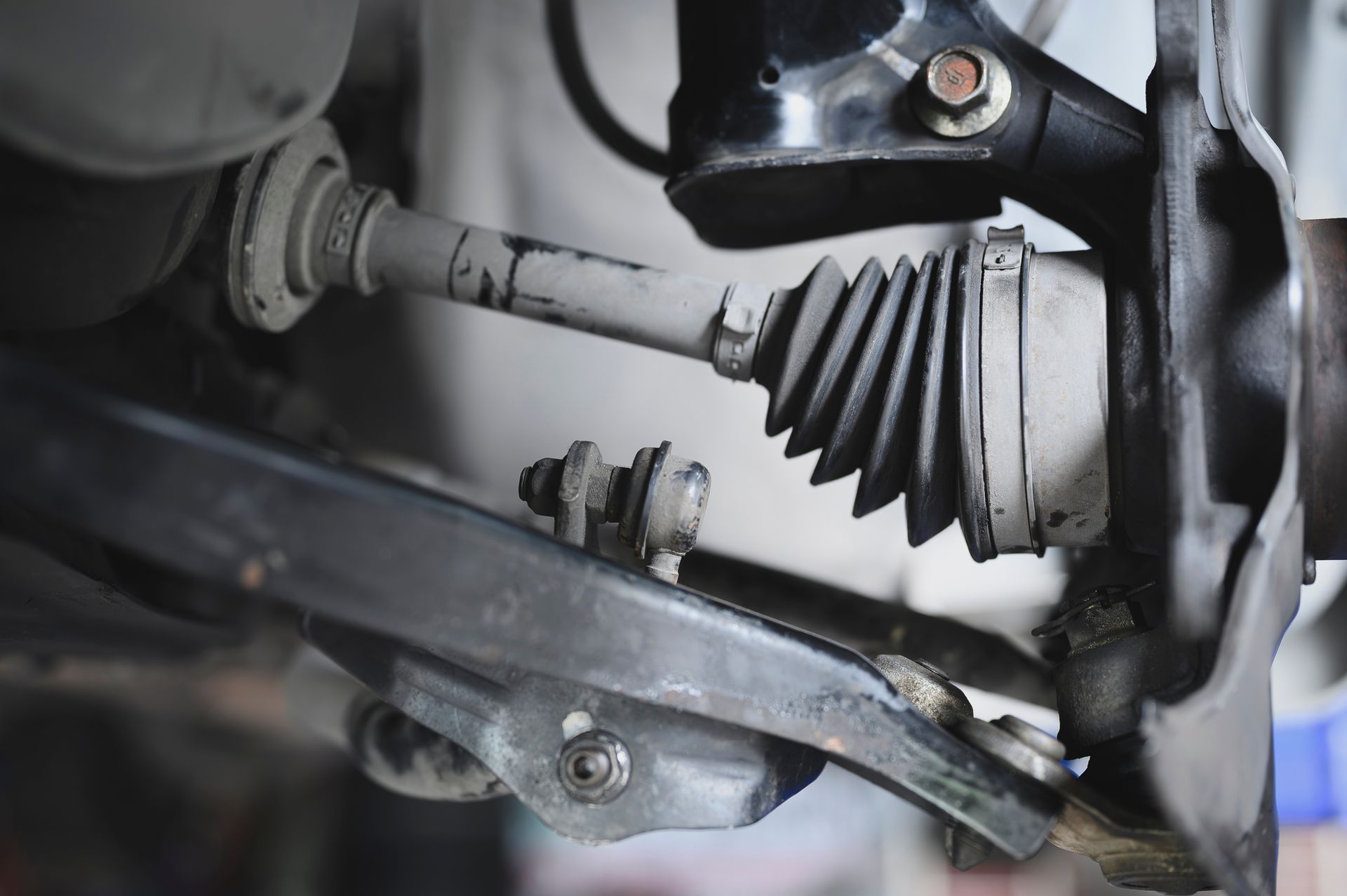
Some vehicles have enough driveline play that shifting into Reverse takes up slack with a noticeable clunk. That slack can get worse if components are worn. Worn U-joints on rear-wheel-drive vehicles can create a clunk when the load changes direction. On front-wheel-drive vehicles, worn CV joints and inner joints can cause clunks during direction changes, especially when the wheels are turned.
If the sound is louder while turning and backing up, pay attention to that detail. A clicking or popping while reversing with the wheel turned can point toward CV joint wear. A single heavy clunk can be driveline slack or mounts, but it should still be inspected so it does not progress into a failure.
Exhaust And Heat Shield Contact
Sometimes the noise is not the transmission at all. When the drivetrain shifts, the exhaust can move slightly. If an exhaust hanger is weak or a heat shield is loose, Reverse engagement can make it tap or rattle. This can sound like a transmission issue, even though it is a simple mounting problem.
A clue is location and tone. Exhaust-related noises are often more tinny or rattly compared to a heavy drivetrain thud. They may also show up more after a long drive when exhaust components are expanded from heat.
When A Reverse Noise Needs Immediate Attention
If you hear grinding, feel the vehicle shudder violently, or Reverse engagement is delayed and then slams in hard, do not ignore it. Also take it seriously if the noise suddenly gets much worse, or if Reverse sometimes does not engage at all. Those symptoms can point to internal transmission issues that are cheaper to address early.
It also matters if you see warning lights or notice fluid spots where you park. Transmission fluid leaks can accelerate wear quickly. A proper inspection can check fluid level and condition, mounts, driveline play, and any exhaust contact points, then confirm whether the issue is external or internal.
Get Transmission Service In Stockertown, PA With Dave's Automotive
If your car is making noise when shifting into Reverse, the next step is to book service so the cause can be identified and repaired before it turns into harsher engagement or driveline damage.
Schedule service with
Dave's Automotive
in Stockertown, PA, to get Reverse engagement back to normal and keep your vehicle dependable for everyday parking and backing situations.