
Brake calipers should release when you take your foot off the pedal. When one continues pressing the brake pad against the rotor, the wheel creates extra heat and resistance while the car is moving. The vehicle may feel slower, pull to one side, or produce a burning smell after a short drive.
A dragging caliper does not always mean the caliper itself has failed. The cause can involve the piston, slide pins, brake hose, parking brake mechanism, fluid contamination, or another part that prevents pressure from releasing. Finding the source early can protect the rotor, pads, wheel bearing, and tire from heat damage.
A Caliper Piston Can Stick In Its Bore
The caliper piston moves outward when hydraulic pressure is applied. When the pedal is released, the piston seal helps it retract slightly so the pad is no longer clamped firmly against the rotor. Corrosion, moisture, damaged seals, or debris inside the caliper can keep the piston from moving back.
A stuck piston may cause one pad to wear much faster than the other. The wheel can become extremely hot, and the car may pull away from the affected side during acceleration. If the piston or bore is corroded, replacing the pads alone will not stop the dragging.
Dry Or Seized Slide Pins Prevent Caliper Movement
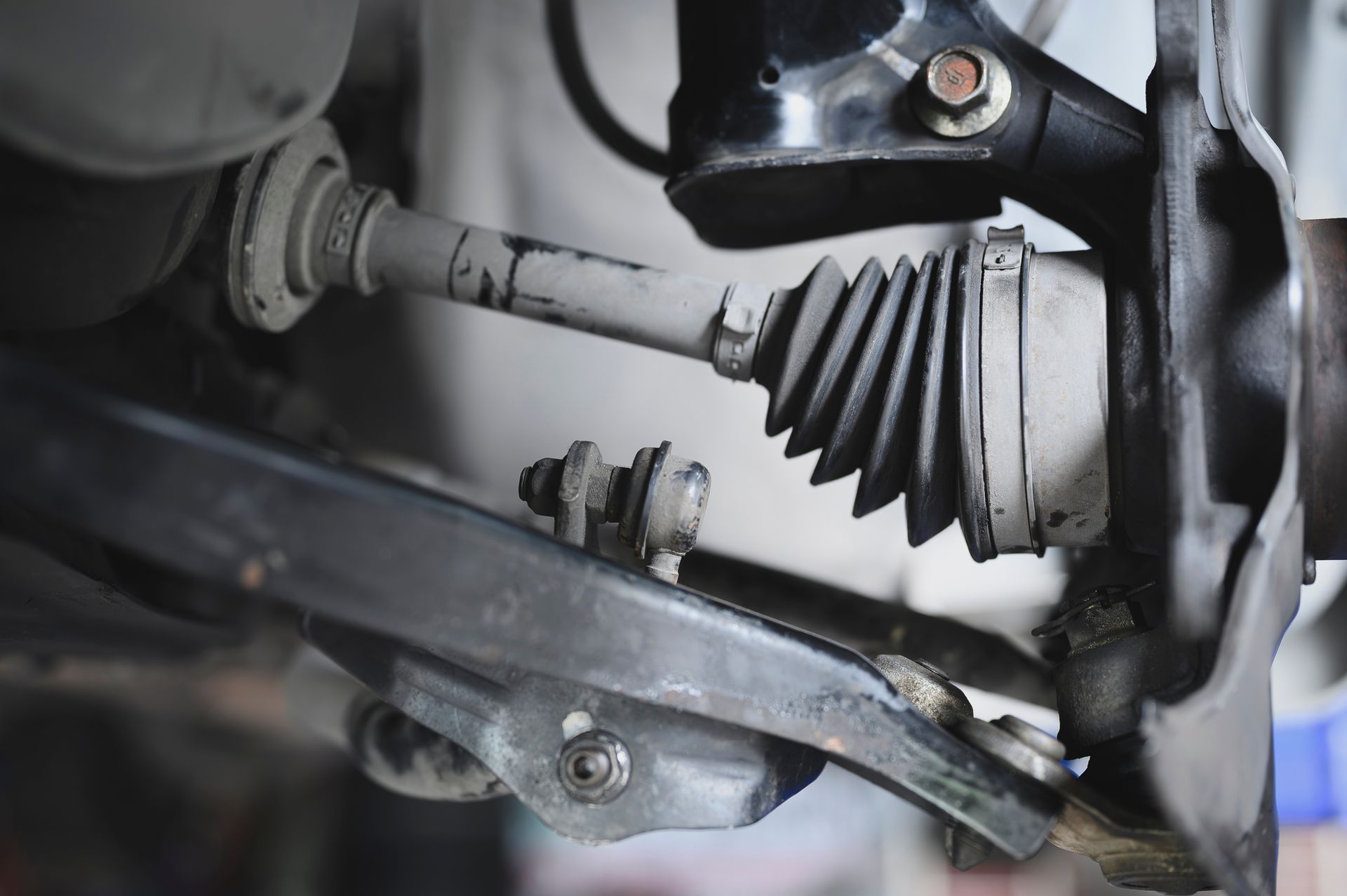
Many vehicles use floating calipers that move on lubricated slide pins. This movement allows both brake pads to apply evenly. If the grease dries out, a protective boot tears, or corrosion develops, the caliper may stay pushed toward one side.
A seized slide pin often creates uneven pad wear. The inner pad may be nearly worn out while the outer pad still looks usable, or the pattern may be reversed depending on which part cannot move. During an inspection, both pins should be removed and checked rather than assuming they are free because the caliper shifts slightly by hand.
A Damaged Brake Hose Can Trap Pressure
A flexible brake hose can look normal outside while deteriorating internally. The damaged inner lining may act like a one-way valve. Fluid pressure reaches the caliper when the pedal is pressed, but it cannot return freely when the pedal is released.
This type of failure can make the brake release slowly or remain applied until the vehicle cools. A technician may compare wheel temperatures and open the bleeder screw to see whether trapped pressure is present. If the wheel frees up when the bleeder is opened, the hose or another hydraulic control issue may be restricting fluid return.
Parking Brake Components May Not Release Fully
Some rear calipers include the parking brake mechanism inside the caliper. Cables, levers, springs, and internal adjusters can corrode or bind, especially when the parking brake is rarely used. The dashboard light may turn off even though one rear brake remains partly applied.
Electronic parking brake systems can also develop actuator, wiring, motor, or calibration problems. Repair procedures may require a scan tool to place the system in service mode. Forcing an electronic rear caliper back without the correct procedure can damage the actuator or internal gears.
Contaminated Or Incorrect Brake Fluid Causes Problems
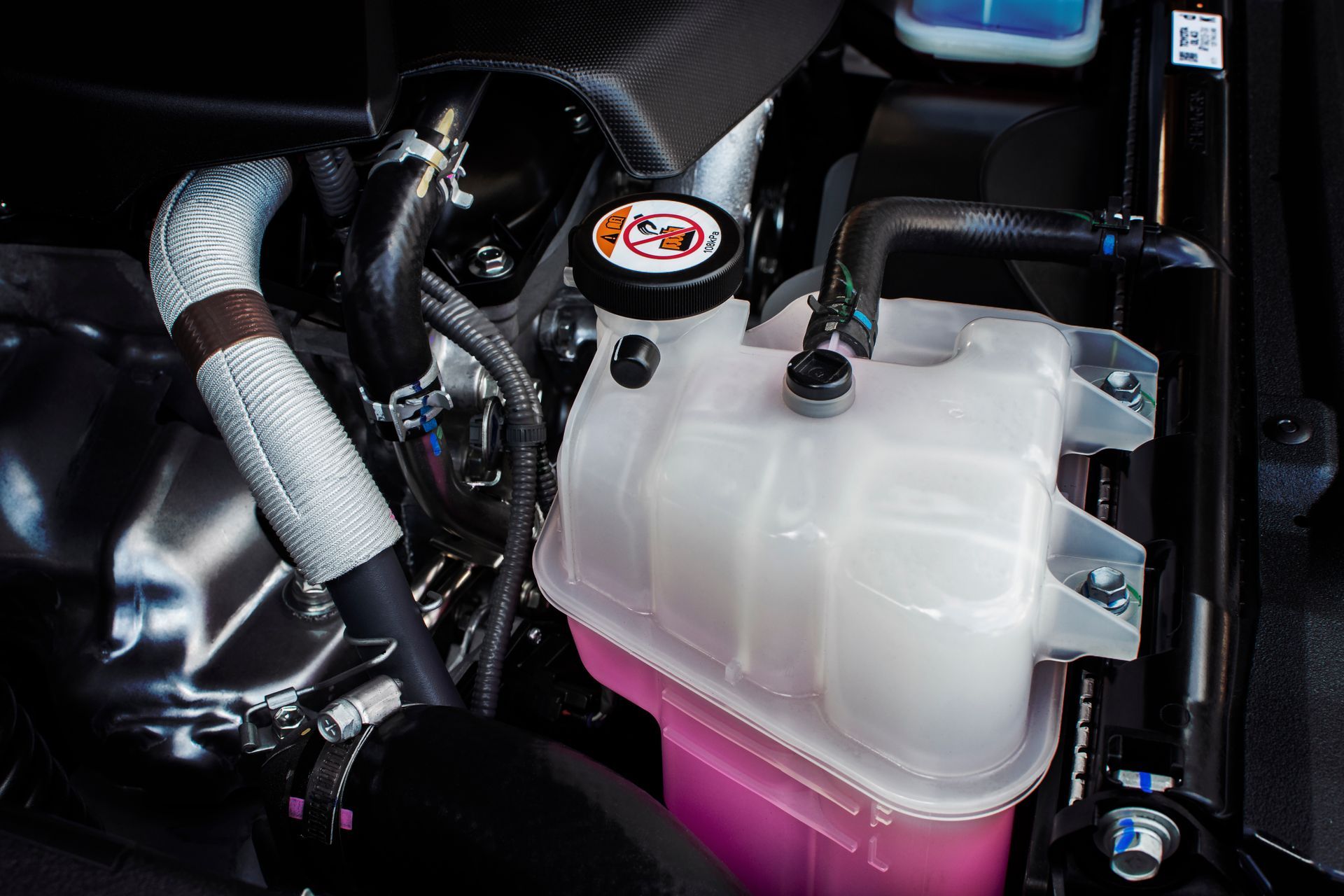
Brake fluid absorbs moisture over time. That moisture can contribute to internal corrosion in calipers, master cylinders, and hydraulic control units. Petroleum contamination is even more serious because it can cause rubber seals to swell and prevent components from releasing correctly.
Using the wrong fluid can also damage the system. Brake fluid specifications are not interchangeable with power steering fluid, engine oil, or other automotive liquids. Regular maintenance should include checking fluid condition and following the vehicle manufacturer’s recommended service procedure.
Symptoms Of A Dragging Brake Caliper
A dragging brake may begin with only a small change in the way the car feels. As heat builds, the symptoms can become much more noticeable.
- The vehicle pulls to one side while driving.
- Acceleration feels weaker than usual.
- One wheel smells hot or burnt.
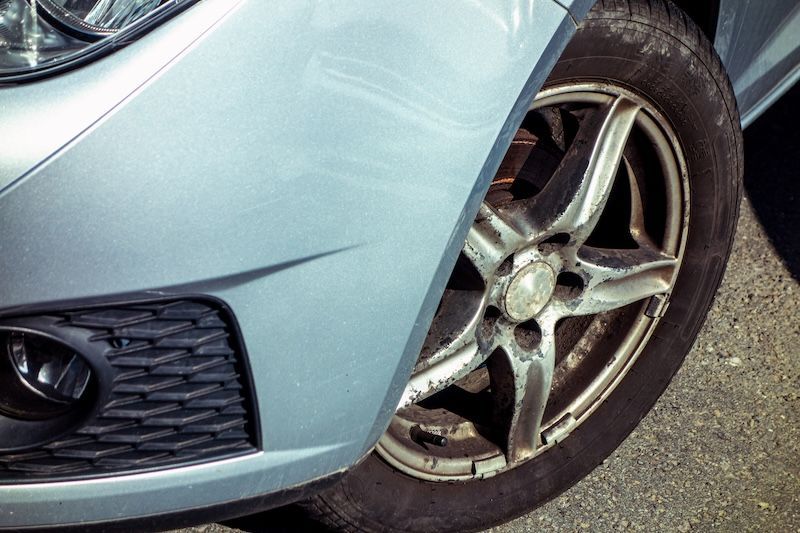
- Brake dust builds up heavily on one wheel.
- Fuel economy drops without another clear cause.
- The steering wheel or body begins vibrating.
- One wheel feels much hotter than the others.
- Smoke appears near a wheel after driving.
Do not touch the wheel, rotor, or caliper to compare temperatures. A dragging brake can become hot enough to cause a serious burn. A shop can use temperature measurements and lift the vehicle to compare wheel resistance safely.
Why Brake Drag Gets Worse As You Drive
Friction creates heat, and heat causes brake components and fluid to expand. A brake that drags lightly when cold may become much tighter after several miles. The added heat can make the pad press harder against the rotor, creating a cycle that continues until the wheel barely turns.
Severe overheating can glaze the pads, warp or crack the rotor, damage the wheel bearing, and boil the brake fluid. The tire may also be exposed to excessive heat. Continuing to drive after noticing smoke, a strong burning odor, or major resistance can turn one failed part into several damaged components.
How Technicians Identify The Cause
Diagnosis often begins by checking wheel temperatures after a road test and comparing how freely each wheel rotates on a lift. The technician can inspect pad wear, piston movement, slide pin condition, parking brake operation, rotor discoloration, and flexible brake hoses.
Hydraulic pressure testing may be needed when the mechanical parts appear normal. The inspection can also include the master cylinder, ABS hydraulic unit, and brake pedal linkage if more than one wheel is dragging. Correct testing prevents replacing a caliper when the true restriction is farther up the system.
Get Dragging Brake Caliper Repair In Stockertown, PA, With Dave's Automotive
If your vehicle pulls, feels difficult to accelerate, produces a burning smell, or has one wheel that runs hotter than the others, Dave's Automotive in Stockertown, PA, can inspect the calipers, hoses, slide pins, parking brake components, and hydraulic system.