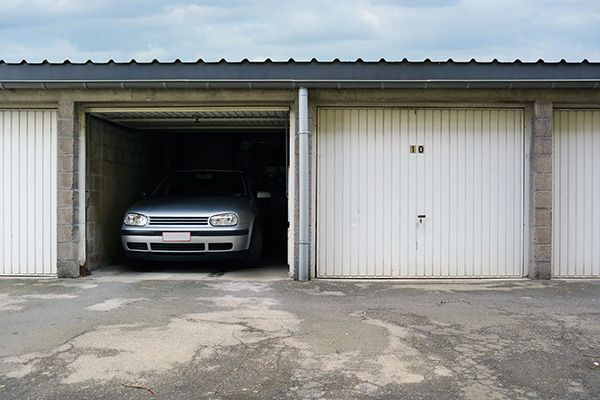

The lights come on, but the engine won't turn. That's enough to make a dead battery seem obvious, especially if the car started yesterday.
The lights use much less current than the starter. A weak battery can power them but fail to crank the engine, and a poor cable connection can cause the same complaint. A permitted jump-start is one way to get help with starting; the response afterward helps us decide what to check.
First Decide Whether a Jump-Start Is Safe
Look at the battery without touching leakage or damaged areas. A frozen, swollen, cracked, or leaking battery shouldn't be jumped. Fuel odor, smoke, or fire concerns also mean stop and arrange help. The location counts as much as the equipment. On a narrow shoulder, don't stand between cars trying to connect leads. Move people out of immediate danger according to the circumstances and call assistance. Use the vehicle's manual for its battery warnings, connection points, and approved starting procedure.
Check the Car's Jump-Start Instructions
The common cable method applies only where both vehicles permit it and their voltage and grounding arrangements match. Most ordinary passenger-car procedures use a 12-volt supply, but confirm the labels and instructions instead of guessing.
Some cars have remote positive and ground points even though the battery is elsewhere. Hybrids and EVs also have a separate low-voltage battery with specific instructions; ordinary cables never belong on high-voltage equipment. The donor vehicle must also permit donating power. If either manual leaves the arrangement unclear, use professional assistance.
Prepare Before Connecting Cables
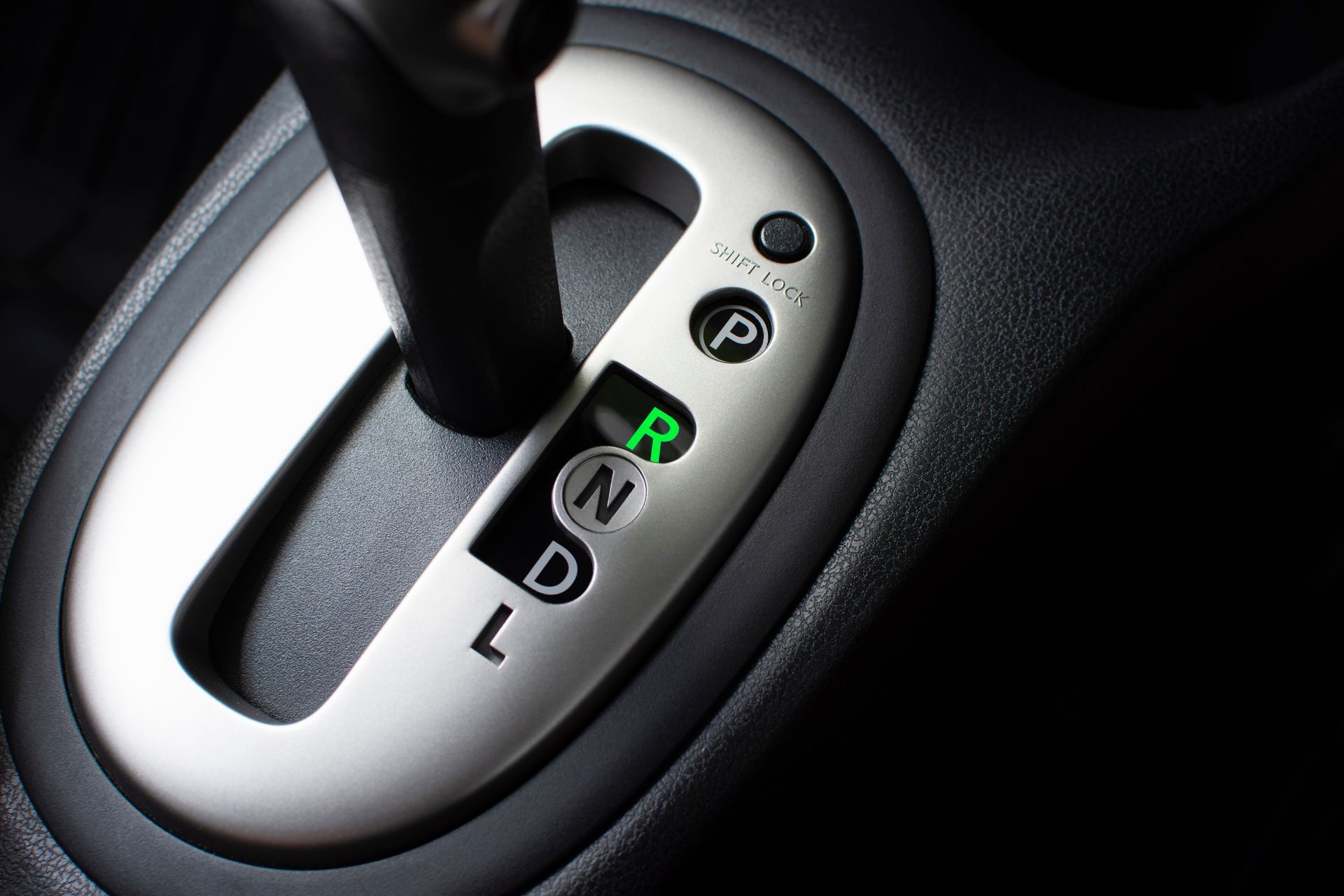
Park with room for the leads and no contact between vehicles. Secure both parking brakes, set transmissions as instructed, and switch off the ignition and unnecessary accessories. Keep cables clear of fans and belts.
Inspect the leads. Damaged insulation or loose clamps require different equipment, and cable capacity must match the job. Wear eye protection, remove loose jewelry, and identify the plus markings and the disabled car's designated ground before connecting the first clamp.
Use the Connection Order the Manuals Specify
For conventional 12-volt negative-ground vehicles that call for this method:
- Attach red to the disabled car's marked positive jump point.
- Attach the other red clamp to the donor's positive point.
- Attach black to the donor's negative terminal or designated negative point.
- Attach the final black clamp to the disabled car's designated ground away from the battery.
Keep the clamps from touching each other or unintended metal. Use the specified ground, with the final connection away from the discharged battery and fuel equipment. Don't substitute its negative battery post unless the vehicle's procedure directs that connection.
Start With Short Attempts
Follow the manuals for donor operation and any waiting period, or the jump pack's instructions if that is the approved supply. Don't choose a donor engine speed or charge time by guessing.
Try the disabled vehicle only within its stated cranking limits. If it keeps clicking or turns slowly, stop. Repeated long attempts heat the starter and leads while the original problem remains. Smoke, excessive heat, or severe sparking means you should stop and arrange help.
Disconnect Carefully After a Successful Start
Follow the prescribed disconnection sequence once the engine runs and removal is permitted. With the common method above, remove the disabled car's ground clamp first, then the donor's black clamp, then the donor's red clamp, and finally the red clamp from the previously disabled car.
Keep freed clamps separated and away from metal or moving equipment throughout. Follow any finishing steps in the vehicle instructions. A portable pack has a separate switch-off and removal procedure, so use its guide rather than treating it like another vehicle.
Why the Battery Needs Testing Afterward
A jump-start supplies help for the immediate start. The battery still needs to be charged and tested under conditions that yield reliable results. A few miles of driving won't necessarily restore a deeply discharged battery.
We'd check whether it holds charge and delivers current, then review charging and cable condition. A battery that passes after charging but goes flat overnight needs a review of electrical use while parked. One that has lost capacity needs a different response. The history of how it failed helps separate those jobs.
What the Next Starting Attempt Tells Us
Tell us if the car starts normally when warm but struggles the next morning, or if it never cranked properly even with the boost. We'd compare battery performance with voltage reaching the starter and check the ground path where the readings lead.
Normal-speed cranking without firing takes us toward fuel delivery, spark on gasoline engines, and engine-control information. Don't continue jumping a car simply because every no-start gets called a dead battery. The sound of the engine turning tells us where to start.
Battery Testing at Dave's Automotive
Dave's Automotive in Stockertown, PA, can check a battery that needs a jump and review recurring slow starts or overnight discharge. Bring the battery's age (if known) and explain whether the jump changed the cranking sound.
Call
Dave's Automotive to schedule battery and starting checks.